

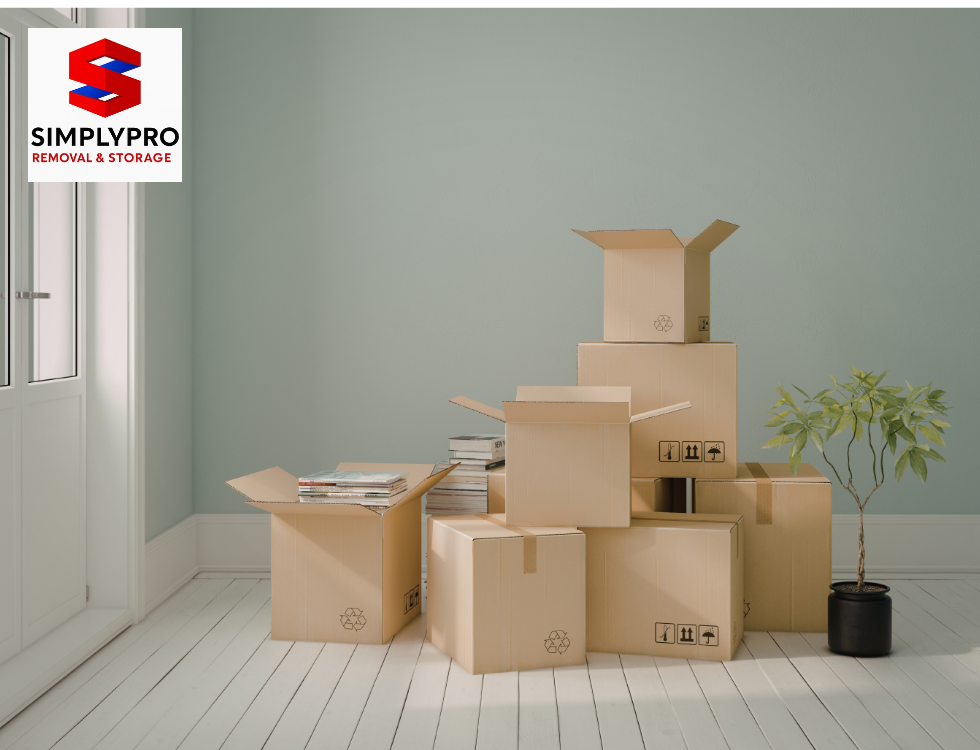
Moving house feels stressful when you start packing without a clear plan for boxes, especially in busy areas like Bristol, Bath, Cardiff, and nearby towns. When you estimate how many boxes you need in advance, you avoid last‑minute panic, overspending on supplies, and messy, half‑packed rooms. Because streets, parking, and access can be tricky in these cities, a smart box plan also makes loading day much safer and faster.
This guide keeps things simple with clear box ranges for 1–3 bedroom homes, plus room‑by‑room packing checklists you can follow step by step. As you read, you will see exactly which box sizes and quantities suit each room, so every carton has a clear purpose. And if you would rather not lift a finger, our professional movers Bristol team can deliver boxes, pack for you, and handle the entire move.
How Many Boxes Do You Need?
Most 1–3 bedroom homes fit into a simple box range, which helps you plan quickly and avoid guesswork. As a clear guide, a 1 bedroom home usually needs around 20–30 boxes, a 2 bedroom property sits closer to 35–50 boxes, and a 3 bedroom house often reaches 50–70 boxes. These ranges work well for typical UK homes in places like Bristol, Bath, and Cardiff, so you can order supplies with more confidence.

However, the “right” number always depends on your lifestyle and how much you own. If you love books, collect ornaments, run hobbies from home, or have children with lots of toys, you will probably sit at the upper end of the range. Long‑distance moves, such as Spain to UK relocations, also need extra boxes for padding and spares, while very local Bristol moves can sometimes manage with slightly fewer.
Box Types and Sizes You’ll Need
Choosing the right mix of box sizes keeps your move organised and much safer. Small boxes suit heavy items like books, tools, tins, and dense kitchenware, while medium boxes work best for general household items, decor, and folded clothes. Large and extra‑large boxes are ideal for light but bulky belongings, such as bedding, cushions, lampshades, and soft toys in Bristol and nearby areas.
Wardrobe boxes let you move hanging clothes straight from rail to rail without creasing, which saves time when you unpack. Specialist TV cartons, picture boxes, and double‑walled fragile boxes protect screens, mirrors, and glass on bumpy local roads or Spain to UK journeys. Heavy items always go in small boxes so they stay liftable and stable, while lighter pieces fill the larger cartons, reducing the risk of breakages and back injuries on moving day.
Box Checklist for a 1‑Bedroom Home
For a typical 1 bedroom flat or starter home, aim for roughly 20–30 boxes in total. A balanced mix could include about 6–8 small boxes for books, tins, and heavy kitchen items, 8–10 medium boxes for clothes, decor, and general belongings, and 4–6 large boxes for bedding and other light, bulky pieces. Adding one or two wardrobe boxes keeps hanging clothes neat and saves time on ironing after you move.
DIY can work well if you live on the ground floor, have flexible time, and easy parking outside your building. However, if you are on an upper floor, have narrow stairs, limited parking, or a very tight moving date, professional home removals Bristol and Bath are usually more cost‑effective. A trained crew can handle access issues, protect your belongings, and complete the move in far fewer trips than a hired van.
Room‑by‑Room Checklist: 1 Bedroom
In the living room, plan a couple of small boxes for books and media, plus medium boxes for decor and small furniture parts. Wrap ornaments, picture frames, and consoles in packing paper or bubble wrap, then fill gaps with soft items so nothing rattles in transit. Keep TV, remotes, and cables together, and mark the box clearly so it is opened first in your new Bristol or Bath home.
Your kitchen usually needs extra small and medium boxes because plates, glasses, and pans get heavy quickly. Wrap each fragile item, stand plates on edge, and write “Fragile – Kitchen” on at least two sides of every box. In the bedroom, use wardrobe boxes for hanging clothes and medium boxes for folded clothing, shoes, and personal items. Finally, pack toiletries, linens, and cleaning products into a few small bathroom and hallway boxes, and leave out any flammables or restricted liquids movers cannot take.
Box Checklist for a 2‑Bedroom Home
A typical 2 bedroom home usually needs around 35–50 boxes, depending on how much you store. As a guide, you might use 10–12 small boxes for books, tins, and tools, 14–18 medium boxes for clothes and general items, 6–8 large boxes for bedding and bulky pieces, plus three or four wardrobe boxes. Because couples and small families often have growing storage in cupboards and under beds, it is wise to keep a few spare boxes aside.
Once stairs, tight hallways, or awkward parking are involved, a 2 bedroom move becomes hard to manage alone. In those situations, involving a removal company Bristol makes sense, especially if you work full‑time or have young children. A local crew can handle packing, lifting, and loading in one coordinated day, which reduces van trips, stress, and the risk of damage.
Room‑by‑Room Checklist: 2 Bedrooms
A second bedroom or home office usually fills several boxes quickly. Use small boxes for books, paperwork, and heavier hobby items, then pack PC equipment, monitors, and consoles in well‑padded medium boxes. Kids’ toys and craft supplies often need a mix of medium and large boxes, with one clearly marked “Open First” so little ones settle quickly in your new home.
Lofts, sheds, and storage spaces often hide more belongings than you expect. Seasonal decor, DIY tools, sports gear, and garden items all need sturdy, well‑taped boxes, sometimes with extra bin bags or wrap for dusty pieces. For best results, label each box by area, such as “Loft – Christmas” or “Shed – Tools”, which makes unloading and future searches much easier.
Box Checklist for a 3‑Bedroom Home
Most 3 bedroom homes need around 50–70 boxes, and busy family houses can easily go beyond that. Extra rooms, kids’ belongings, and bulk storage in lofts or garages all add to the total box count. You will usually need plenty of small boxes for books and toys, a large stack of medium boxes for clothes and general items, plus several large boxes for bedding and bulky pieces.
Because three‑bedroom moves are larger and more complex, full‑service movers Bristol offer real value. A professional team can handle packing, dismantling, lifting, and careful loading, which is vital when downsizing or moving in phases. With removal and storage Bristol options, you can send some boxes straight to the new house and place the rest into secure storage until you are ready.
Room‑by‑Room Checklist: 3+ Bedrooms
Children’s rooms usually need several small and medium boxes for toys, books, and clothing. Bulky items such as teddies, games, and sports equipment often fill large boxes quickly, so keep weight in mind when packing. Packing one clearly labelled “Kids’ Essentials” box with nightwear, favourite toys, and school bits helps them settle faster after a long moving day.
Dining rooms and extra spaces hold some of the most fragile items in the home. Use strong small and medium boxes for crockery, glassware, and pieces from display cabinets, adding generous padding around every item. For heirlooms and sentimental objects, professional packing from an experienced Bristol removal team is strongly recommended to reduce the risk of chips, cracks, or breakages.
How to Calculate Boxes for Your Specific Home
A simple step‑by‑step method makes box planning much easier. First, list every room in your home, including hallways, lofts, garages, sheds, and storage cupboards. Next, mark which spaces are storage‑heavy, such as kids’ rooms, home offices, and lofts full of seasonal decor. Then estimate boxes per room, using rough ranges like 4–6 boxes for small rooms and 6–10 for larger or fuller rooms. Finally, add 10–20% extra “just in case” to cover forgotten drawers, last‑minute sorting, and extra padding around fragile pieces.
For example, a typical Bristol terrace or semi‑detached home with a lounge, kitchen, two bedrooms, bathroom, and small loft might break down as follows: lounge 6 boxes, kitchen 8 boxes, each bedroom 6 boxes, bathroom 2 boxes, hallway 2 boxes, and loft 6 boxes, giving around 36 boxes plus a 15–20% buffer. If you would like a more precise number, local Bristol movers can visit or arrange a video survey to provide a tailored box estimate and removal quote.
Essential Packing Supplies Beyond Boxes
Strong tape is essential, and a tape dispenser saves time and reduces wasted strips. Bubble wrap and packing paper protect plates, glasses, and decor, while stretch wrap keeps drawers closed and furniture scratch‑free. Labels and thick marker pens help you mark rooms, contents, and “Fragile” clearly so movers in Bristol and beyond can load safely. Mattress covers guard beds against dirt and moisture in the van, which is especially important in wet weather.
Alongside traditional supplies, eco‑friendly and reusable options are becoming more popular. Sturdy plastic crates can be hired, used several times, and then returned, which cuts down on waste for frequent movers or businesses. Rentable moving box services provide stackable, reusable crates that work brilliantly for longer Spain to UK relocations, where extra strength and weather resistance really matter.
Labelling and Organisation Tips for Moving Day
A simple labelling system saves hours when you unload. First, colour‑code boxes by room using coloured tape or stickers, then match each colour to a door sign in your new home so movers can drop boxes in the right place instantly. Next, number every box and keep a digital or printed inventory that records room, box number, and a short contents note, which makes quick checks and missing‑box tracking much easier.
People Also Ask questions often focus on how to organise boxes, and the answer is always clear, visible labelling. Write the room name, contents, and handling notes on at least two sides and the top, then add bold markings such as “Fragile”, “This Side Up”, and “Open First” where needed. Use bright colours or stars for priority boxes that hold essentials like kettle, bedding, and chargers, so they are the first cartons opened in your new Bristol home.
Moving in and out of Bristol and the South West
Moving around Bristol, Bath, Newport, Cardiff, Cheltenham, Cirencester, Gloucester, Taunton, Yeovil, Swindon, South Gloucestershire, and Herefordshire brings a mix of city streets, historic terraces, and rural lanes. Each area has its own parking rules, loading spots, and access challenges, which affect how close a van can get to your door and how long loading will take. For Spain to UK routes, there is the added layer of ferries, customs checks, and longer travel times, so careful planning of box numbers and packing strength matters even more.
A local removal company Bristol deals with these details every week. The team understands where residents’ parking permits or temporary suspensions are needed, which streets are tight for larger vehicles, and how to plan around council restrictions. With that knowledge, they can recommend the right van size, crew level, and box count for your specific home, making moves within the South West or from Spain to the UK smoother and more predictable.
When to Use Removal and Storage Services
Removal and storage Bristol services are ideal when your move happens in stages rather than one clean handover. If completion is delayed, leases do not line up, or you are renovating before fully moving in, storage gives you a safe halfway step instead of living around piles of boxes. Downsizing is another key time to use storage, because it lets you keep surplus furniture and sentimental items while you decide what to sell, pass on, or bring back later. For Spain to UK relocations, storage works well when shipments arrive before you do or when you prefer to send belongings in several loads.
Professional storage keeps your boxes and furniture safe, dry, and organised until you are ready for delivery. Reputable Bristol removal and storage companies use secure, monitored facilities with clean, weather‑protected units and written inventories. When you are ready to move into your new home, the same team can redeliver everything to your door, which turns a complex, multi‑stage move into one joined‑up service.
DIY Packing vs Professional Packing Services
DIY packing gives you full control over what you keep, donate, or throw away, and it can spread costs over several weeks. However, it demands time, energy, and a good understanding of how to wrap fragile items and load boxes safely. When you hire movers Bristol for a full packing service, they arrive with all boxes, materials, and trained crews, so your entire home can be packed in a fraction of the time. This approach cuts the risk of breakages, speeds up loading, and ensures heavy or awkward boxes are handled safely from door to van.
Long‑Distance and Spain to UK Moves
Long‑distance and Spain to UK moves put more strain on boxes and packing because items spend longer in transit and may be handled several times. You usually need double‑walled cartons, extra bubble wrap, and more detailed inventories for customs and insurance purposes. Experienced Bristol movers with international partners understand ferry schedules, paperwork, and delivery windows, which makes coordinating Spain to UK removals and storage far smoother. With one team managing collection, storage, and final delivery, your belongings stay accounted for at every stage.
Timeline: When to Start Packing and Ordering Boxes
For most 1–3 bedroom homes, a clear countdown works well. Around 4–6 weeks before moving day, start decluttering and order your boxes and packing supplies. At 3–4 weeks, begin packing non‑essentials such as books, seasonal clothes, and decor, then focus on daily‑use items in the last 1–2 weeks. In the final few days, pack an essentials box for each person with toiletries, clothes, and key documents, leaving only what you need on the final night. Many People Also Ask answers suggest starting as early as possible, and booking a removal company Bristol three to six weeks ahead helps secure your ideal date.
Common Packing Mistakes to Avoid
Several common mistakes make moving harder than it needs to be. Overloading large boxes with books or heavy items can cause splits and injuries, while mixing several rooms in one box slows unpacking. Skipping labels, leaving box estimates too late, and failing to protect fragile items are also frequent problems that lead to stress and damage. By working with professional moving services Bristol, you follow a clear plan, use the right box sizes, and benefit from proven packing methods that reduce risk.
Why Choose Our Bristol Removal Company for Your Move
For smooth relocations, trust our removal company Bristol team to provide the right number of boxes, packing materials, and fully trained movers. As a local specialist, the company understands routes and access across Bristol, Bath, Newport, Cardiff, Cheltenham, Cirencester, Gloucester, Taunton, Yeovil, Swindon, South Gloucestershire, and Herefordshire. You can choose flexible removal and storage Bristol options, including packing services, short‑term storage, and Spain to UK support, all backed by fully insured, friendly, and reliable crews.
Call to Action: Get Your Personalised Box Estimate
If you want to know exactly how many boxes your 1–3 bedroom home needs, request a free home survey or virtual quote. A Bristol‑based surveyor can walk through each room, assess storage spaces, and provide a tailored box count with a fixed‑price moving plan. Whether you are moving within Bristol and the wider South West or planning a Spain to UK relocation, the team can handle all aspects of your move, from boxes and packing to storage and final delivery. Get in touch today and turn your moving checklist into a clear, confident plan.