

When you search for "storage solutions near me," you're really looking for one of three things: a traditional self-storage unit, a flexible mobile container, or a secure climate-controlled facility. Each one solves a different problem, whether you're just decluttering the house, in the middle of a stressful move, or need to protect sensitive business stock.
Finding the Right Local Storage
Getting your head around the different options is the first, most important step. It's the only way to make a decision you won't regret later. The storage world is surprisingly varied, and each solution comes with its own trade-offs in terms of access, security, and, of course, price.
What works for you will come down to three simple questions: what are you storing, how long for, and how often will you need to get to it?
This guide will cut through the jargon and lay it all out. We’ll compare the most common types of storage you'll find here in the UK, helping you match what you need with the right service. For many people, finding storage is just one piece of a bigger puzzle, like moving house. If you're also trying to find movers, our guide on choosing from local removal companies can be a real help.
Visualising Your Storage Options
To make it even clearer, this diagram shows the main storage options you're likely to come across.
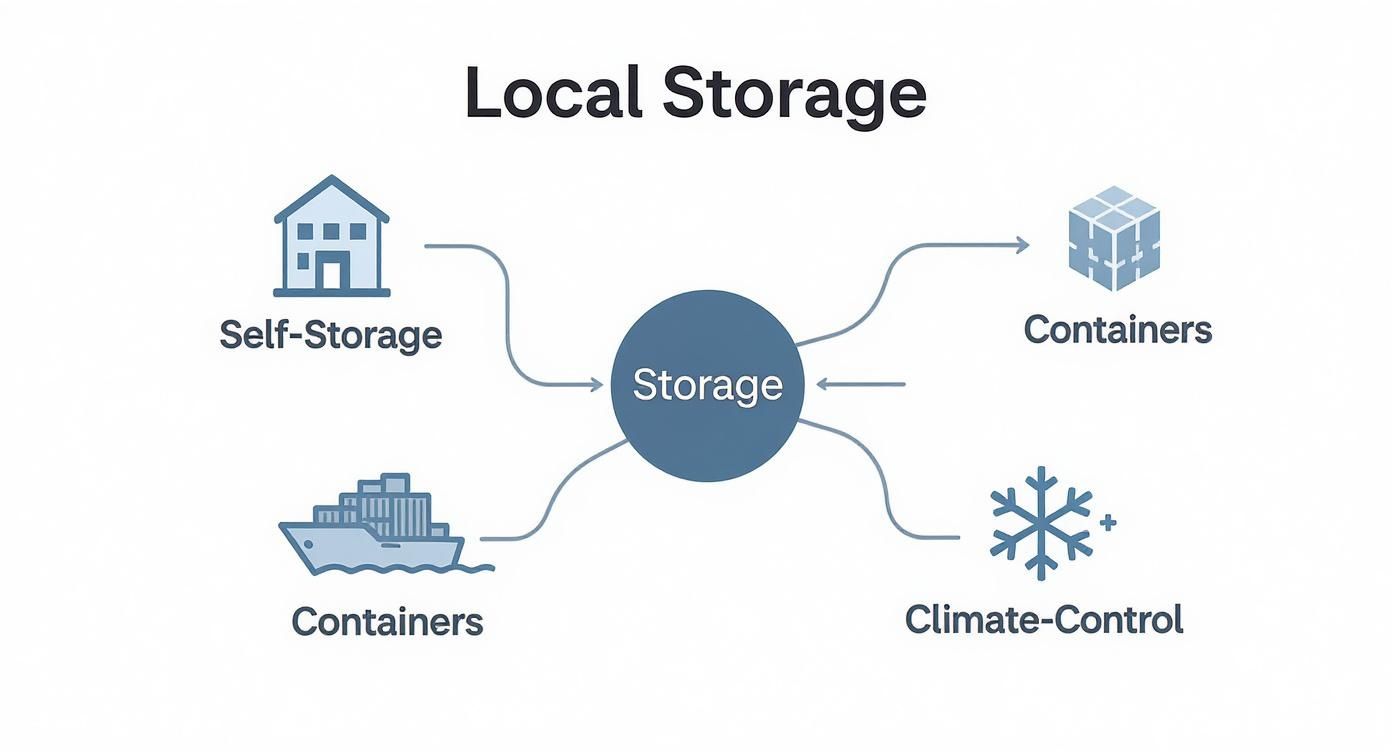
As you can see, self-storage, containers, and climate-controlled units are all distinct categories, each designed for a specific job.
Comparing Local Storage Options at a Glance
Let's make this decision even easier by breaking down the key differences.
Think of a self-storage unit like an extra room for your home—a secure space you can pop into whenever you like. A mobile container, on the other hand, is more like a temporary garage that gets delivered right to your door. And a climate-controlled unit? That’s like a high-tech vault for your most precious things, protecting them from the damaging effects of heat, cold, and damp.
The table below gives you a quick side-by-side comparison, offering a clear blueprint for your search.
| Storage Type | Typical Cost (per sq ft) | Ideal For | Accessibility | Security Level |
|---|---|---|---|---|
| Self-Storage Unit | £1.00 – £2.50 | General household goods, furniture, de-cluttering, student storage. | High (often 24/7 access with a key or code). | Good to Excellent (CCTV, alarms, gated access). |
| Mobile/Container | £0.75 – £1.50 | Short-term storage during a move, temporary on-site storage for renovations. | Varies (On-site is high; off-site requires arrangement). | Basic to Good (Depends on location and provider). |
| Climate-Controlled | £2.00 – £4.00+ | Electronics, antiques, wood furniture, documents, artwork, musical instruments. | High (Similar to self-storage but may have stricter hours). | Excellent (Adds environmental controls on top of standard security). |
Ultimately, choosing the right storage is about finding the sweet spot between cost, convenience, and protection. Get that balance wrong, and you could end up wasting money or, worse, discovering your belongings have been damaged. It’s well worth taking the time to think carefully about what you really need before you sign on the dotted line.
Decoding the Different Types of Storage Facilities
When you first start looking for storage solutions, it's easy to assume it's a one-size-fits-all deal. But you'll quickly find there’s a whole world of options out there, each designed for very different needs, belongings, and budgets. Getting to grips with these categories is the first real step to making a smart choice that actually protects your stuff and gives you proper peace of mind.
Think of it like choosing a vehicle. You wouldn't use a sports car to haul furniture, and you wouldn't take a massive lorry for a quick trip to the shops. In the same way, the right type of storage really depends on what you're putting away and for how long. Let's break down the main players you’ll come across here in the UK.
Traditional Self-Storage Units
This is the classic setup most of us picture: a clean, dry, and secure indoor unit tucked away inside a larger building. These are the real workhorses of the storage world, absolutely perfect for general household goods, furniture during a move, or just finally clearing out the garage.
It helps to think of a self-storage unit as an extension of your own home—a spare room, just off-site. You get your own lock and key (or maybe an access code), so you can pop in and out as you need to during the facility's opening hours.
Key Takeaway: For most common storage needs, from house moves to reclaiming your loft, traditional self-storage hits that sweet spot of security, accessibility, and affordability.
Good facilities will have top-notch security, like 24/7 CCTV, perimeter fencing, and electronic gates. They’re ideal for things you might need to get to every now and then, like seasonal decorations, business files, or that bike you swear you'll use next summer.
Container and Mobile Storage
Container storage is a more rugged and often more budget-friendly alternative. We're talking about those big steel shipping containers, usually located on a secure outdoor site. Their sheer size and robust build make them a brilliant choice for bulky things like garden furniture, large tools, or the entire contents of a shed.
The big win here is flexibility. Some companies even offer mobile storage, where they drop a container right on your drive. You can load it up in your own time while you're renovating, and then they'll either whisk it away to their secure yard or move it to your new home. For anyone juggling the chaos of moving and storing things at the same time, services that bundle both are a lifesaver. You can find out more about how removals and storage work together to take the pressure off.
This approach is especially handy for:
- Home Renovations: Keep your furniture safe from dust and paint right outside your door.
- Large-Scale Moves: Take your time loading everything up over a few days before the big move.
- Business Stock: A really cost-effective way to store non-perishable inventory.
While these sites are secure, access can sometimes be less convenient than indoor facilities, and they don't offer any protection from extreme heat or cold.
Secure Commercial Storage
Businesses have a completely different set of needs that go way beyond what a standard unit can offer. Secure commercial storage is built from the ground up to handle this, with a laser focus on high-level security, logistics, and proper inventory management.
Don't think of it as just a storage room; it’s more like a mini-warehouse or a small fulfilment centre. These places often have individually alarmed units, sophisticated access control, and even staff on hand to accept deliveries for you. This is absolutely critical for businesses storing valuable stock, sensitive documents, or expensive equipment. An e-commerce seller, for example, could run their entire inventory from one of these facilities, knowing it’s protected by a lot more than a simple padlock.
Climate-Controlled Storage
Now, for your most precious and sensitive belongings, climate-controlled storage isn't a luxury—it's essential. These units maintain a steady temperature and humidity level, usually somewhere between 13°C and 18°C, which shields everything inside from the damaging effects of the UK's damp, fluctuating climate.
So, what kind of things need this special treatment?
- Wooden Furniture: Stops it from warping, cracking, or splitting over time.
- Electronics: Protects delicate circuits from moisture and deep cold.
- Artwork and Photographs: Guards against mould, mildew, and fading colours.
- Musical Instruments: Preserves the integrity of wood, strings, and brass.
- Important Documents: Prevents paper from becoming brittle, yellow, or mouldy.
Without that controlled environment, a cold, damp winter could do irreparable harm to your antiques, and a summer heatwave could easily warp your entire vinyl collection. It’s a small extra cost that provides crucial protection for items that are often priceless or completely irreplaceable.
How To Choose the Right Size Storage Unit
Picking the right size storage unit is probably the most important decision you'll make. It’s a bit of a balancing act. Go too big, and you're literally paying for empty space. But try to squeeze everything into a unit that’s too small, and you risk breaking your valuables or creating an unusable jumble.
Think of it like packing for a holiday. You wouldn't use a tiny carry-on for a two-week trip, but you also wouldn't haul a massive suitcase for a weekend break. The goal is to find that sweet spot that keeps your items safe and gives you the best value.
Visualising Common Storage Unit Sizes
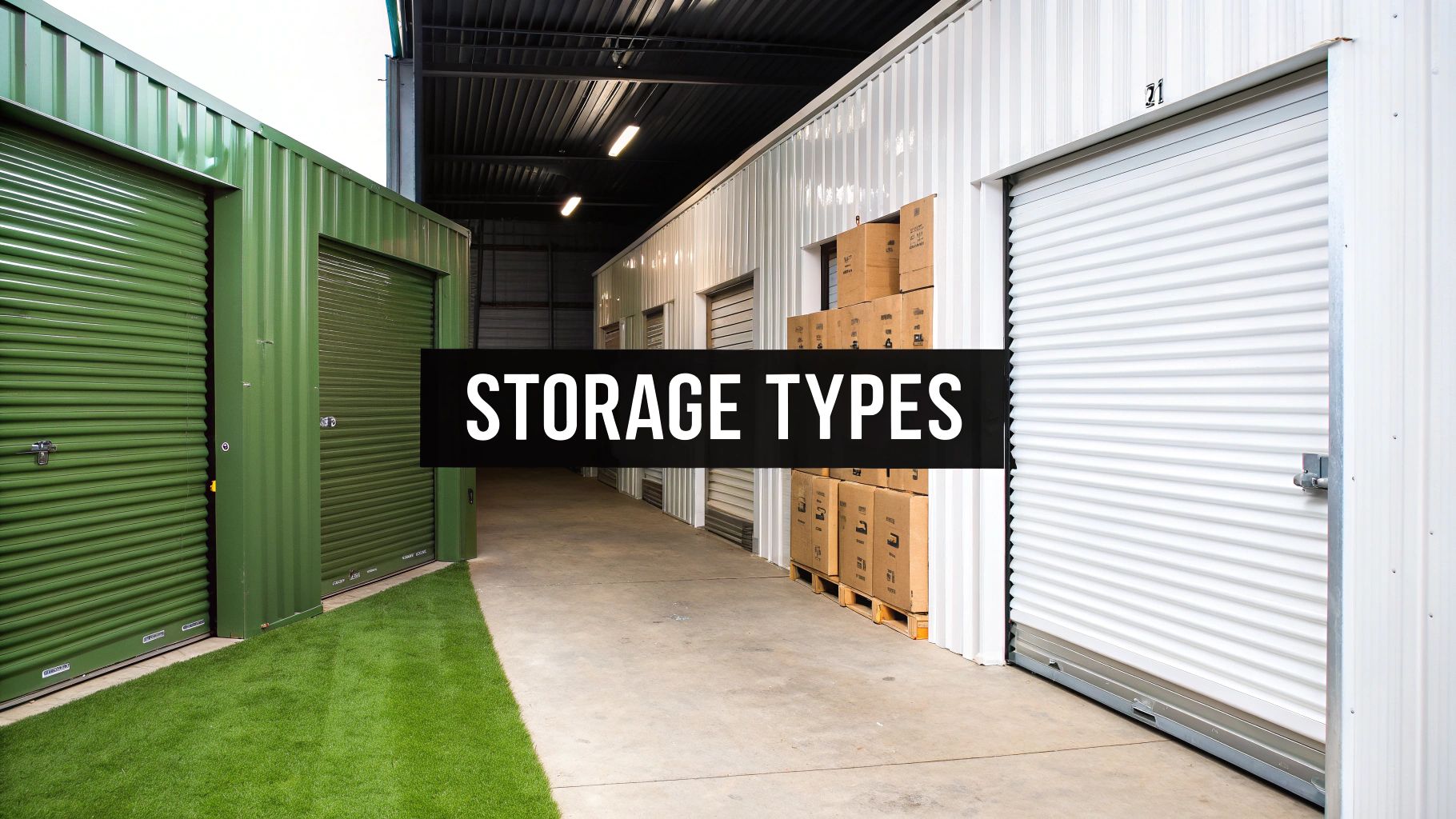
To take the guesswork out of it, let’s put these sizes into perspective by comparing them to spaces you’re already familiar with. It makes it so much easier to picture what you can actually fit inside.
-
25 sq ft (e.g., 5×5 ft unit): Imagine a large walk-in wardrobe. This is perfect for a few dozen boxes, a small desk and chair, or seasonal gear like the Christmas decorations and lawnmower. It’s a brilliant choice for students or if you just need to clear out a single room.
-
50-75 sq ft (e.g., 5×10 or 10×7.5 ft unit): Now you're looking at something about the size of a generous garden shed. This space can comfortably take the contents of a one-bedroom flat – we’re talking a double bed, a sofa, a small dining set, and a good number of boxes.
-
100 sq ft (e.g., 10×10 ft unit): This is a really popular size, roughly half of a standard single-car garage. It’s big enough to hold the furniture and belongings from a two-bedroom flat or a small house. Think multiple sofas, white goods like a washing machine, and stacks of boxes.
-
150 sq ft (e.g., 10×15 ft unit): At this size, you've got a space similar to a standard single-car garage. It’s ideal for storing the entire contents of a typical three-bedroom house, including all the large furniture, major appliances, and boxes.
Smart Packing Makes All the Difference
No matter which size you land on, how you pack is absolutely key. Using the right techniques and materials doesn't just protect your things; it helps you use every single square foot you're paying for. If you need to stock up, our guide on finding packing materials near me can point you in the right direction.
Pro Tip: Always stack your heaviest, sturdiest boxes on the bottom, with the lighter, more fragile ones on top. It’s also a great idea to leave a little walkway down the centre of the unit so you can get to things at the back without having to empty the whole thing out.
Don't Guess – Use Modern Tech
Even with these guidelines, estimating your space requirements can be tough. This is where modern tools really come into their own, saving you time and money. Many forward-thinking companies, including SimplyPro, now offer mobile self-video surveys.
It’s a straightforward process where you use your smartphone to walk us through your home, showing us exactly what needs to be stored. From that short video, our experts can accurately calculate the volume of your belongings and recommend the perfect unit size. This ensures you never pay for space you don’t need. It’s a fast, accurate, and contact-free way to get a solid quote without anyone needing to visit.
The UK's storage market has ballooned, now offering a massive 64.3 million square feet of space. While more choice is great for customers, it makes getting the size right even more critical. With average annual prices in the UK sitting between £27 and £30 per square foot, picking a unit that’s too big is a costly error you'll want to avoid.
Protecting Your Belongings with Security and Insurance
Choosing a storage unit isn't just about finding enough space; it’s about getting complete peace of mind. You're handing over items that have real financial or sentimental value, and any reputable storage company gets that. They'll have invested heavily in multiple layers of security to keep your belongings safe from theft, damage, and anyone who shouldn’t be there.
Think of it like securing a castle. A strong front door is a good start, but you also need high walls, a moat, and guards on patrol. It's the same with storage – all the different security features work together to create a really solid defence for your things.
Essential Security Features to Look For
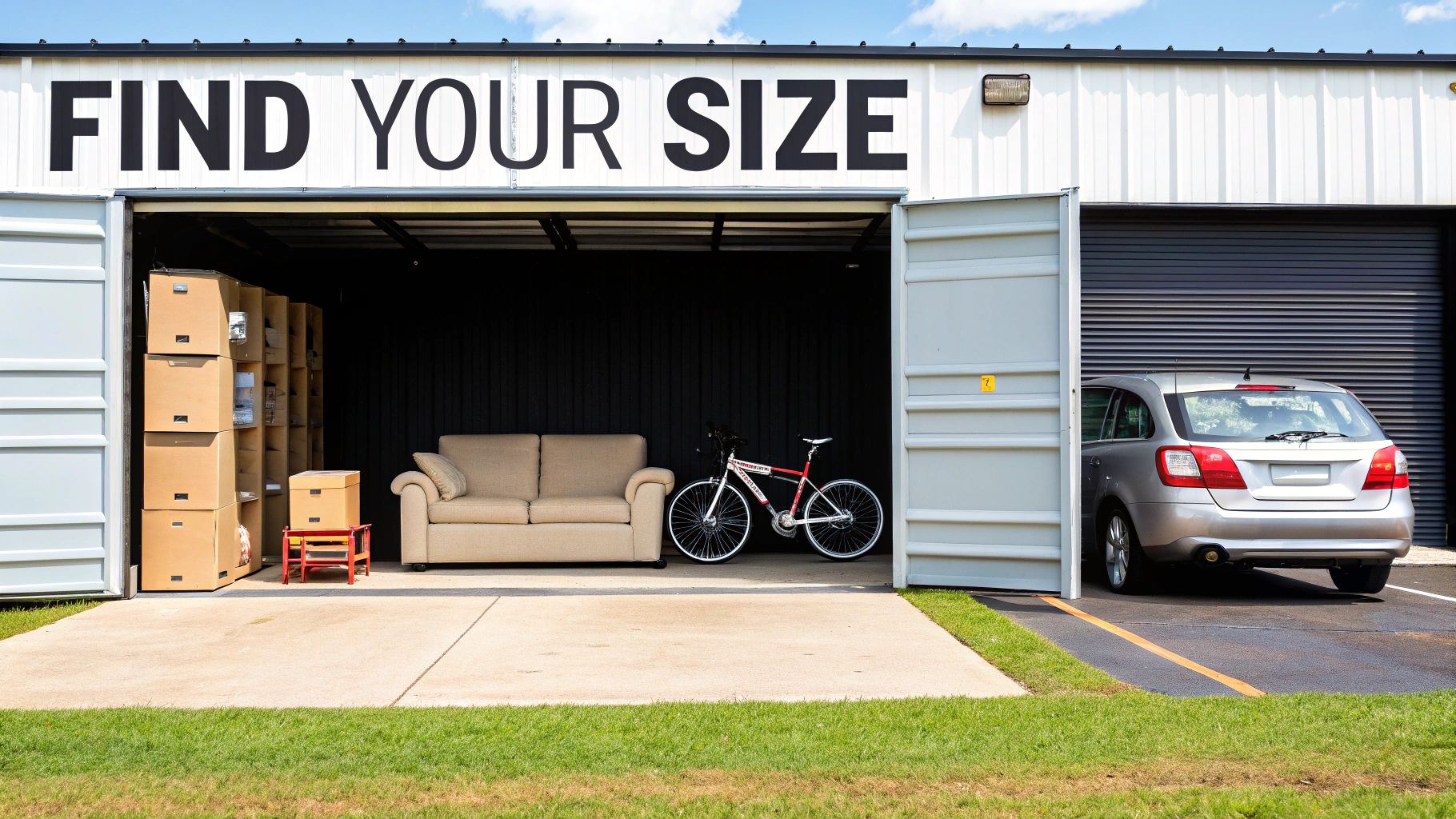
When you're comparing local storage options, there are a few security measures that are absolutely non-negotiable. These are the basics that separate a professional operation from a simple lock-up down a back alley.
Here’s what a solid security setup looks like:
- Perimeter Fencing and Gated Access: The whole site should be properly fenced off. Access should be controlled by an electronic gate that needs a unique PIN code to open, meaning only customers and staff can get in.
- 24/7 CCTV Surveillance: You want to see high-definition cameras covering all the important spots – entrances, exits, and the corridors. This does more than just scare off thieves; it provides a vital record if an incident ever happens.
- Good Lighting: It sounds simple, but well-lit corridors and outdoor areas are a massive deterrent. Dark corners are an invitation for trouble, so bright, motion-activated lighting is a must-have.
- Your Own Padlock: This is crucial. You should be the only one with a key or combination for your unit’s lock. The storage company should never hold a master key, putting you in sole control of who gets into your space.
These features create a secure bubble around the facility before anyone even gets near your actual unit.
Understanding Storage Insurance
Here’s one of the biggest myths we see: people assume their home insurance will automatically cover things they put into storage. In almost every case, that's simply not true. Home insurance is designed for belongings inside your home, and once they're moved elsewhere, that cover either vanishes or is severely limited.
This is exactly why dedicated storage insurance exists. It's a specific policy built for the unique risks of storing your stuff away from home.
Crucial Insight: Skipping proper storage insurance is one of the most common and costly mistakes you can make. Always work on the assumption that your home policy doesn't cover you and check the fine print directly with your provider.
Storage insurance is usually very affordable and gives you a safety net against a whole range of potential problems. It ensures you’ll be compensated if the unexpected happens, so you can feel confident your valuables are protected financially as well as physically.
What Does Storage Insurance Actually Cover?
While the specifics can differ between providers, most standard storage insurance plans in the UK will protect you from loss or damage caused by the most common culprits. This cover is vital, whether you're storing the contents of your house or valuable business stock.
Typically, you'll be covered against:
- Fire: Protects your items if there’s a fire at the facility.
- Theft: Covers the value of your goods if someone breaks into your unit.
- Flooding and Water Damage: Safeguards your belongings from burst pipes or natural floods.
- Vandalism: Covers any intentional damage to your stored property.
It's just as important to know what isn't usually covered, like damage from mould, pests, or things getting broken because they weren't packed properly. If you're storing something really valuable like a caravan or motorhome, it’s vital to look into dedicated protection. There are great resources out there, like guides on metal buildings for RVs, that explain the need for specialised cover for larger assets.
The bottom line? Always read the policy documents carefully and, if you're unsure about anything, just ask the provider directly.
How to Compare and Choose a Local Provider
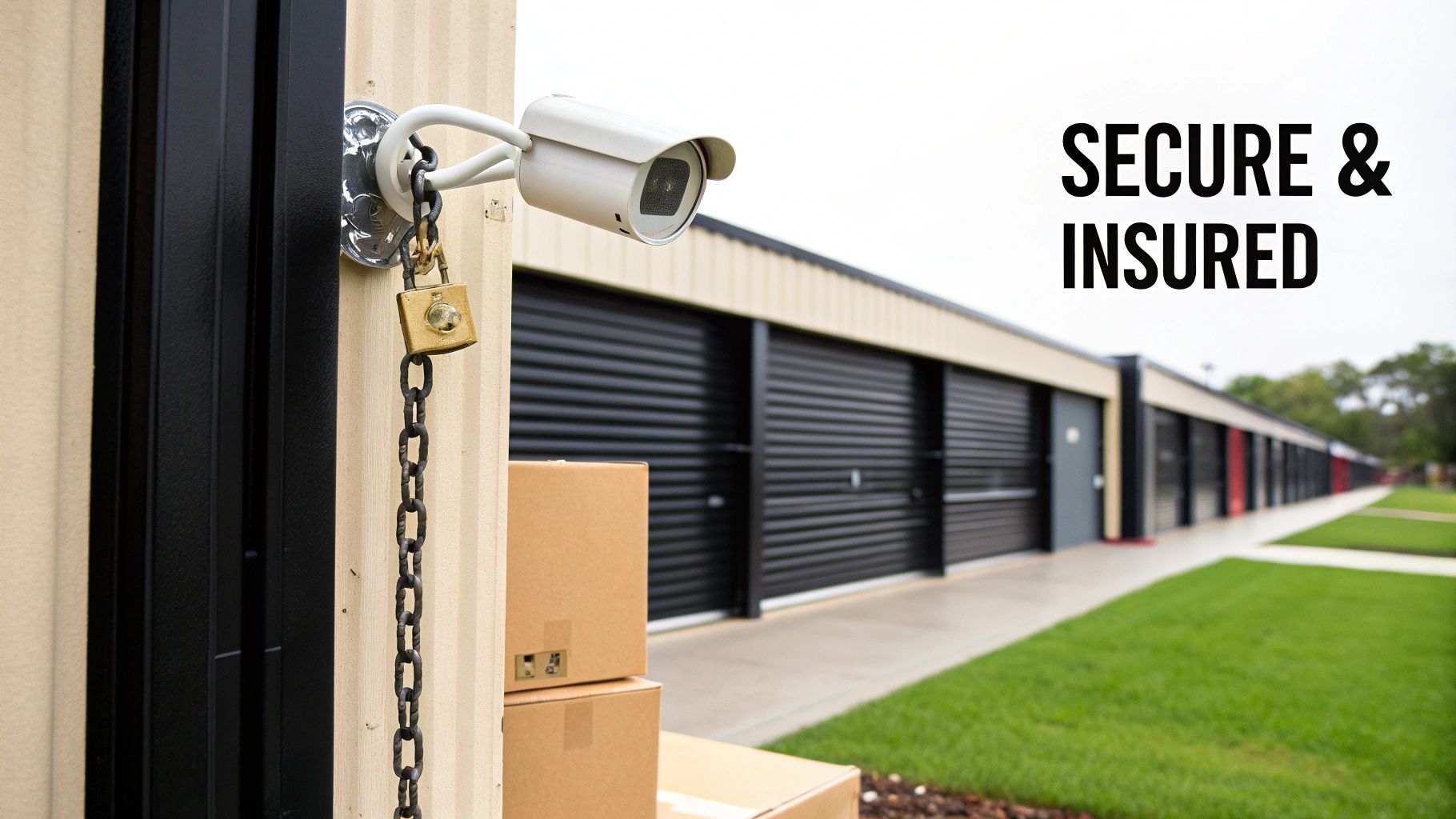
With so many storage companies out there all vying for your business, how do you sort the great from the merely good? Choosing the right provider is about more than just grabbing the cheapest deal. It’s about trusting your possessions to a business that’s secure, reliable, and straightforward to deal with.
The search for local "storage solutions near me" has definitely become more crowded. The UK self-storage industry now has 2,915 storage locations, and container-based options are popping up everywhere, especially in rural areas. This market boom, now worth £1.2 billion in turnover, means you have plenty of choice—but it also means you need to choose carefully. You can get a better sense of the UK's expanding storage market in this detailed industry report.
Start With Some Online Sleuthing
Your first port of call should be the internet. A professional, easy-to-use website is a great starting point; it shows the company cares about the customer experience. Look for clear, upfront pricing, not just vague promises that force you to call.
Most importantly, read what real customers are saying on independent sites like Google or Trustpilot. Look for patterns in the feedback. Do people consistently mention how helpful the staff are, how clean the facility is, or how simple the contracts are? A few bad reviews are normal for any business, but a string of complaints about hidden fees or lax security is a massive red flag.
Key Questions to Ask Before You Sign Anything
Once you’ve got a shortlist, it’s time to dig a bit deeper. Getting straight answers to a few key questions can save you a world of headaches down the line. Don’t hesitate to pick up the phone or drop them an email to get the details.
Here’s a practical checklist to run through:
- Access Hours: "What are your exact access hours? Does that include weekends and bank holidays? Is 24/7 access an option, and if so, does it cost extra?"
- Contract Terms: "Is it a rolling monthly contract, or do I have to commit to a minimum term? And how much notice do I need to give before moving out?"
- Hidden Fees: "Are there any other charges I need to know about? Things like a security deposit, admin fees, or your own mandatory insurance?"
- Security Specifics: "Could you walk me through your security measures? Are we talking 24/7 CCTV, individually alarmed units, and electronic gate access?"
Key Insight: The best providers will be happy to answer these questions without any fuss. If you get vague or hesitant responses, be wary. Real value comes from transparency and reliability, not just the advertised price.
A Simpler Way to Find the Right Fit
Let’s be honest, comparing multiple providers, chasing quotes, and checking them all out is a huge time-sink. This is where a comparison service can make your life much easier.
Instead of you doing all the legwork, a service like SimplyPro gets you multiple quotes from pre-vetted, reputable local companies in one go. It helps you look beyond the price tag to find a storage partner that delivers genuine security, flexibility, and top-notch service.
Your Local Storage Questions Answered
Once you’ve narrowed down your search for "storage solutions near me," you'll probably have a few final, practical questions. Getting these sorted before you sign on the dotted line is key to feeling completely confident in your choice. Let's walk through some of the most common things people ask.
What Can I Not Legally Store in a UK Storage Unit?
For everyone's safety, and to comply with the law, every storage facility has a strict list of prohibited items. Storing anything from this list is a surefire way to void your insurance and get your contract terminated, so it's a rule you really need to follow.
While each company's list might vary slightly, you can generally count on these being banned:
- Flammable or Combustible Materials: Think petrol, paint, solvents, gas canisters, or fireworks. Anything that could catch fire is a no-go.
- Perishable Goods: This means any food items that can spoil, go off, or attract pests. Nobody wants to open a unit to find a mouldy or rodent-infested surprise.
- Living Things: It might seem obvious, but this includes both animals and plants. A sealed, dark unit is no place for them.
- Illegal or Unlicensed Items: This covers firearms, explosives, drugs, and any other controlled or illegal substances.
The best advice? Just ask the provider for their specific list of prohibited items before you even think about packing. A quick check upfront can save you a world of trouble.
Are Long-Term Storage Contracts Cheaper?
In a word, yes. Facilities love the security of a long-term booking, so they'll often offer a better monthly rate if you commit to six months, a year, or longer. It’s their way of rewarding you for giving them predictable business, and it can definitely lower your overall costs.
But there's a trade-off. You need to balance that tempting discount against your own need for flexibility. If your plans aren't set in stone, a rolling monthly contract might be the smarter choice, even if it costs a bit more each month. Always ask for a direct price comparison for different contract lengths—it’s the only way to see what really makes the most financial sense for you.
Key Insight: Don't just focus on the monthly price tag. Calculate the total cost over the period you think you'll need storage. A slightly higher rate on a flexible contract could end up being cheaper if you need to move out earlier than expected.
How Much Notice Do I Need to Give to Vacate My Unit?
This is a crucial detail hidden in the small print of your contract. Typically, UK storage providers require between 7 and 14 days' notice before you move out. This gives them enough time to get the unit inspected and ready for the next person.
To make sure you don't get hit with a bill for an extra month, always give your notice in writing (an email is perfect). This creates a paper trail with a clear date. Forgetting to give proper notice is one of the easiest ways to get an unexpected charge, so double-check this clause before you sign.
Can I Access My Storage Unit at Any Time?
Access hours are one of the biggest differentiators between storage facilities, so never assume they’re all the same. Some high-end places offer genuine 24/7 access, which is fantastic if you have an unpredictable schedule or might need something in an emergency.
More often than not, you'll find facilities have standard operating hours, something like 6 am to 10 pm. The key is to be realistic about when you’ll actually need to get into your unit. Make sure the facility’s hours align with your lifestyle to avoid any frustrating "sorry, we're closed" moments down the line.
Ready to find the perfect storage solution without the hassle of endless phone calls? At SimplyPro Removal & Storage Ltd, we make it easy. Use our mobile self-video survey to get a fast, accurate quote from trusted local experts. Get your free storage quote today.